For years, the traceability conversation in fashion has been framed as a compliance problem. Meet the regulation, tick the box, move on. What we heard in Dhaka suggests that framing is already out of date.
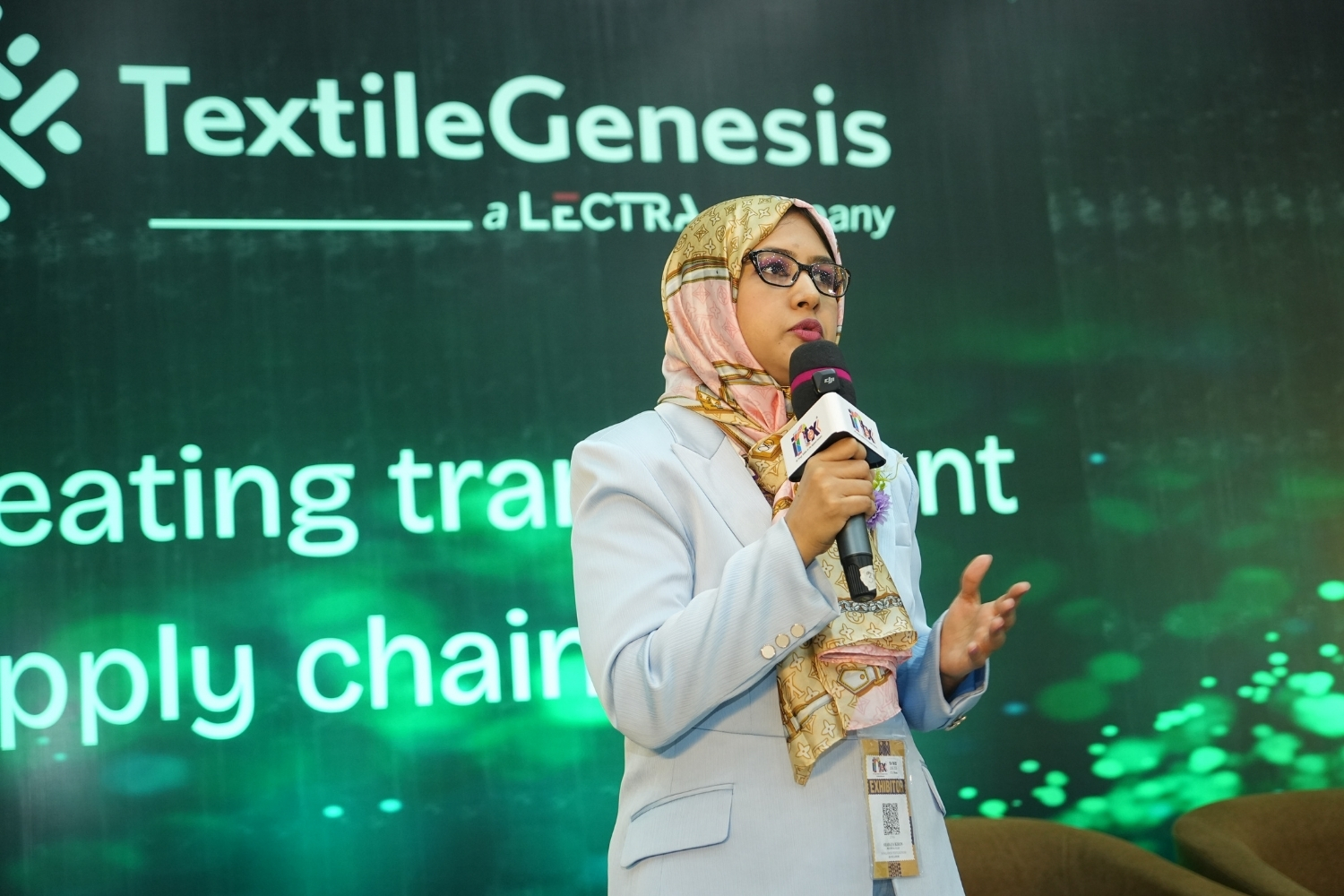
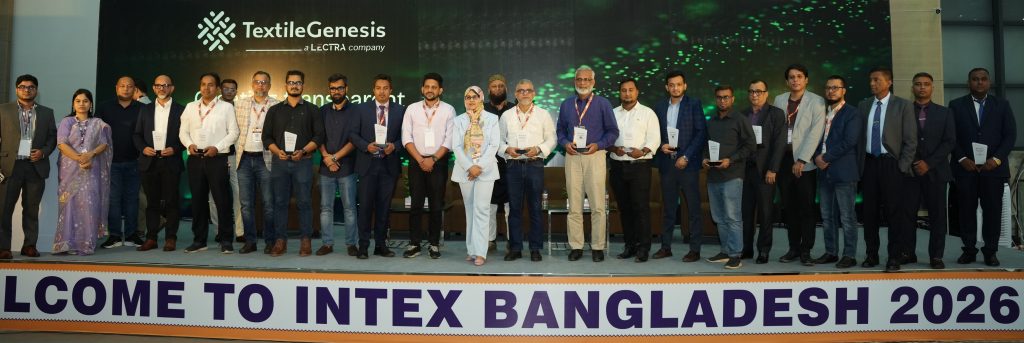
In mid-June, TextileGenesis sponsored Intex 2026 at the International Convention City Bashundhara in Dhaka. Alongside our booth, we hosted a presentation, a panel discussion, and an awards ceremony that brought together global brands, manufacturers, certification bodies, and supply chain partners.
While the question about whether traceability matters is settled, what it actually takes to make it work at scale is still a work in progress for many. Two answers came up again and again: it has to be economically viable, and it has to be built together.
Compliance is the floor, not the ceiling
Regulatory and due diligence expectations are rising across every major market, but compliance alone won’t sustain traceability. If the cost and operational burden fall on suppliers and manufacturers without creating value for them, adoption stalls regardless of what the regulation requires.
Speakers were direct on this point. Sustainable traceability must create value for everyone in the chain: material suppliers, manufacturers, brands, and partners.
With regulatory requirements such as the EU Eco-Design for Sustainable Product Regulation (ESPR) approaching implementation, this provides brands with a stronger data foundation for product-level disclosures, as well as precise compliance reporting.
That tension surfaced on the panel. With raw material prices rising, several suppliers asked whether traceability was just another cost to absorb. Ali Arsalan of Cotton Council International argued that moving from paper to a digital, blockchain-backed chain of custody builds trust without compromising quality. Shehan of Bestseller made the economic case plainer: suppliers who meet sustainability and quality standards earn stronger ratings, more production, and longer partnerships. That is the signal that makes the investment worth it.
Traceability is a team sport
No single actor can deliver a transparent supply chain alone. Technology provides the foundation for tracking and verification, but data integrity depends on brands, manufacturers, material suppliers, certification bodies, and technology providers actually sharing data and aligning their commitments.
The recurring word throughout the day was trust. Traceability breaks down wherever cooperation is done (missing documents, duplicated reporting etc.). Progress depends less on any single platform than on the whole value chain treating transparency as shared work.
Bangladesh’s opportunity
As the world’s second-largest exporter of ready-made garments, Bangladesh has big potential to bring a broad range of supply chain stakeholders onto digital traceability at scale. The interest we saw at the event suggests the appetite is there.
Realising the wider opportunity will take more than enthusiasm. It will require stronger engagement from global brands, deeper participation from certification bodies, and continued support for the material suppliers being asked to change how they work. The building blocks exist; the task now is coordination.
From concept to execution
The clearest takeaway from Dhaka is that traceability in Bangladesh has moved past the question of why and into the harder work of how.
Sustainability is an ecosystem. It extends well beyond certification and compliance into environmental stewardship, social responsibility, and economic viability. Keeping it economically sound and genuinely collaborative is what will decide whether transparent sourcing becomes the industry standard.
Ready to move from compliance to collaboration?
Discover how TextileGenesis helps brands, manufacturers, and material suppliers build trusted, scalable traceability programs that create value across the supply chain. Get in touch with our team to start the conversation.
Read more about the event at the Fashion Business Journal